Saturday, 10 August 2013

NHL Animal Week - Anaheim

The NHL has a few teams with logos that feature animals, so it became apparent that with Shark Week on Discovery Channel that I should feature an NHL Animal Week where some real biology can be discussed! There are seven teams that distinctively could be featured, and we've taken a look at the animals in the logos of the San Jose Sharks, Florida Panthers, Boston Bruins, Pittsburgh Penguins, and Phoenix Coyotes in the previous days. Today, we focus on a waterfowl species in the NHL as we take flight with the Anaheim Ducks on HBIC's NHL Animal Week!

Saturday - Anaheim Ducks

Since there are no ducks that I can find that combine the colors of black, champagne, and orange, I'm just going to make this a generic article about ducks. Ironically, it will be similar to the generic workmark used by the Ducks across their chest. In any case, all ducks belong to Family Anatidae which includes swans and geese. That covers a lot of waterfowl, but there are many different evolutionary paths leading to the number of ducks species seen today, so ducks are classified as a form taxon - a group of species that share a similar overall form. Science is working to change this form taxonomy since it allows for great variations within taxa without proper scientific investigation or explanation. However, for simplicity's sake, we'll stick with the form taxon in this article thanks to the generic Anaheim Ducks logo.

But rather than me droning on in written word, I decided to go out and find someone who actually accomplished something when it comes to ducks. Thanks to YouTube, I discovered a "duckumentary" by Monelle Britt that earned her a $35,000 scholarship into Full Sail University! So without further adieu, here is Monelle and her documentary A Day in the Life of a Duck.
I have to say that Monelle did a pretty solid job! With the vast number of duck species out there, it would be hard to speak about anything concrete since some species differ greatly. Monelle did a fantastic job in just over four minutes in talking about ducks while providing great visuals.

Since the numbers on HBIC have plummeted since the summer started, I'm clearly not keeping readers interested. Tomorrow, I'm going to regroup. I'll post a funny video, and I have a plan to write a serious look at a hockey topic for Monday. You'll probably want to read that, especially if you're a fan of international hockey. To those who stop by frequently, thank you. Please tell your friends, families, co-workers, teammates, and anyone else that HBIC is looking for their readership because I want to know what you, readers, want to see on this site. Comment below, send emails, tweet me - anything that I can bring to you in terms of information is something I'll investigate!

Until next time, keep your sticks on the ice!

Friday, 9 August 2013

NHL Animal Week - Phoenix

The NHL has a few teams with logos that feature animals, so it became apparent that with Shark Week on Discovery Channel that I should feature an NHL Animal Week where some real biology can be discussed! There are seven teams that distinctively could be featured, and we've taken a look at the animals in the logos of the San Jose Sharks, Florida Panthers, Boston Bruins, and Pittsburgh Penguins in the previous days. Today, we focus on the canine species in the NHL as the Phoenix Coyotes take center stage on HBIC's NHL Animal Week!

Friday - Phoenix Coyotes

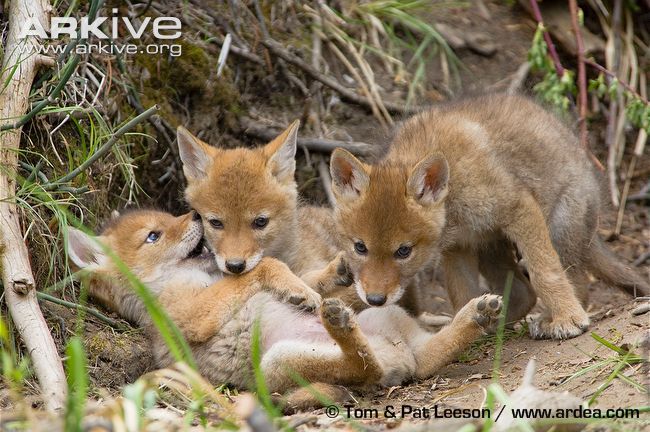
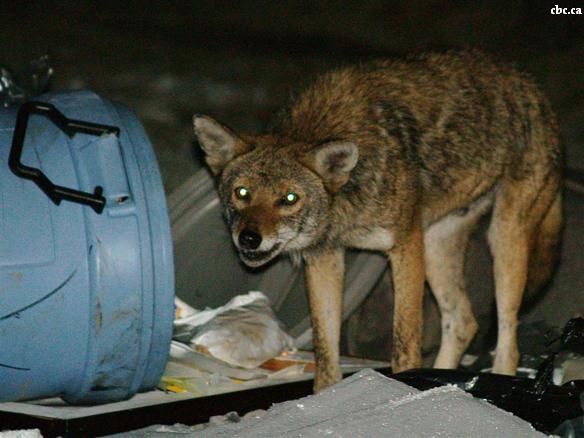
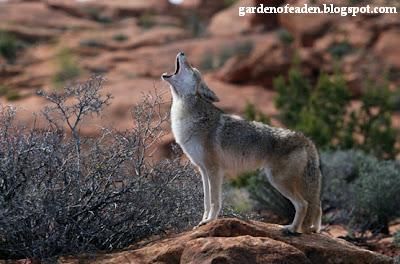
The coyote, Canis latrans, is a hearty canine species, spanning the North American continent from Alaska through to Panama. The only places they really don't range into is the extreme north in both Canada and Alaska. They were once the primary canine species on the prairies and in the desert, but their range has been changed due to loss of habitat and prey. They can still be found in these ecosystems, but their numbers are less in those ecosystems than before. However, the coyote has also shown an adaptability to move into and thrive around areas populated by man, and have been seen in cities across the continent at night. Needless to say, the coyote is a savvy and adaptable animal, and estimates put their populations at an all-time high thanks to their city living.

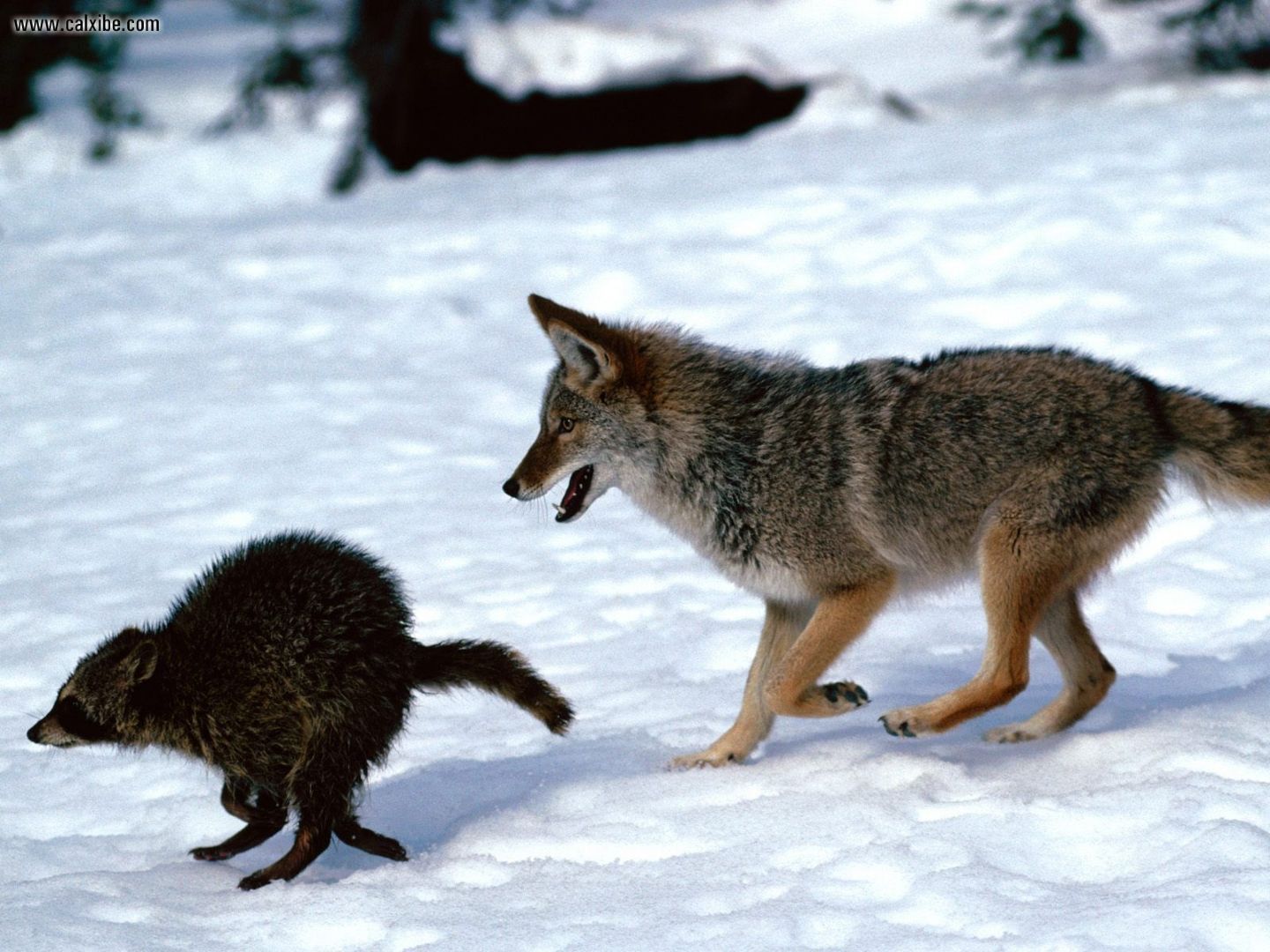
Coyotes commonly weight between 20 and 50 pounds, and stand approximately three-feet tall when fully grown. Fur colors will range between gray to a yellowish-brown hue. Their tails make up half of their body length, and are identifiable due to their bottle shape and distinctive black tip. The fur on the backs of the coyotes are black-tipped as well, giving a darker stripe along the spine and across the shoulders. They have large ears that stand straight up from the skull and taper into a point, and are extremely large in relation to their head. The size of the coyote is much smaller than that of wolves, but they are significantly larger than foxes.

Courtship in coyotes last for approximately 60 to 90 days. Mating occurs as the spring season arrives in North America, commonly occurring between January and March. Mates are kept for a number of years, but monogamy should be inferred as males hunt in a territory that can extend up to 20 square kilometers away from their dens. This could include several females, but males will normally choose one mate per year due to the reproductive cycle of the female coyote. Gestation is approximately two months, and a litter of five to eight pups is common. Mothers will nurse the young for approximately one month until they are ready to emerge from the den. Both the male and female will bring food to the den to assist in feeding as well.

While coyotes can dig their own dens, they normally steal dens from animals they have killed. Favorite den-digging prey include both badgers and woodchucks, and the coyotes usually enlarges it as needed once they have occupied their new homes. Surprisingly, coyotes and badgers are often seen working together to hunt smaller rodents in burrows. Because coyotes don't dig well, they allow the badgers to unearth the rodent dens. Once unearthed, both the badger and coyote take their fill of rodent for dinner and part ways. Dens occupied by coyotes are used year after year, and all coyotes are quite protective of their dens. There are normally several entrances/exits to a den which makes capturing coyotes in urban and suburban areas difficult due to their many escape routes.

Hunting is normally done in pairs or alone, and all hunts follow similar trails to food sources. Packs are rarely seen in the wild, although they can be found when hunting larger animals. Coyotes are actually seen as a beneficial animal by most farmers as they hunt rodents, rabbits, raccoons, fish, frogs, and even deer, but are quite comfortable with meals of insects, snakes, fruit, and grass. They may also scavenge off of kills made by other animals, showing their adaptability across their environments. They are poor climbers, making their presence in mountainous and hilly environments less, but they show an excellent ability to swim and will swim across tributaries if prey movement is spotted on the opposite shoreline. Coyotes do not possess sharp vision, but do have excellent olfactory senses like other canine species, and can reach top speeds of 40mph or 65kph when hunting prey. They can also jump up to heights of four meters, allowing them occasionally take low-hanging bird nests as food as well.

There are different methods of hunting employed by the coyote. When "mousing" - hunting rodents - they slowly stalk through the grass and sniff out the rodent. Once identified for the kill, the coyote stiffens its body with all four legs held together, and it pounces on the prey much like one would imagine a cat doing. When hunting deer, teamwork is needed to bring down the larger prey. Usually two or three coyotes take turns nipping at the deer until it falters when the kill is actually made. Alternatively, the younger coyotes have been seen driving the deer towards a dominant, larger coyote who will emerge from its hidden location and make the kill on the startled deer. These learned behaviors have aided the coyote in its success as a species.

Predators of the coyote are few, but they do pose a major problem for families of coyotes. Mountain lions and wolves are extremely adept at hunting coyotes, but prefer the ease of attacking a den with young. Because coyotes do not live in packs, this allows the lions and wolves an easier time in their hunts as they normally only have to kill one adult coyote before having access to the cubs. Man poses a problem simply due to his proximity with coyotes. Because coyotes live in cities, cross-breeding with domestic dogs is seen, and the killing of house pets, rodents, and rabbits is quite common. Being omnivorous, coyotes also raid garbage cans and will engage in encounters with raccoons. All of this has given the coyote a reputation of being a pest in city environments rather than being seen as a benefit in helping rid neighborhoods of potential pests. While some relocations of coyotes to areas outside of cities has been successful, most cities simply choose to exterminate caught coyotes due to them being too naturalized in a city environment. Coyotes also can be hosts for a number of diseases, including rabies. Farmers will consider them a threat to poultry, livestock, and crops if affected.

Coyotes have an amazing communication system amongst their populations that use auditory, olfactory, and tactile signals. They are the most vocal of all North American mammals as they use three distinctive sounds: a squeak, a distress call, and a howl. These are used to communicate with other coyote individuals, and howls are usually used to announce territorial ranges or to greet when pack members re-unite. Visual acuity is low, but they will use vision to spot movement. With their large ears, they have excellent hearing, and, like all dogs, they have an excellent sense of smell - both important senses to have while hunting at night. Like all canine species, they also mark their territories very well using urine and feces. When coyotes meet, they often smell each other out and rub against one another in order to remember the scent of the new meeting.

Because of their vast numbers and city-dwelling populations, there is no known number of coyotes. It is thought that they may number into the millions across North America, but they are not considered threatened in any way thanks to their adaptability.

There's some information on the coyote. While it appeared that the NHL's Coyotes may not survive into another winter, they were saved once again in Phoenix with the hopes that they may thrive like their representative animal does. Time will only tell, but they will play in the Arizona heat for at least another five years, proving that this team, like the animal, seems to have the ability to adapt to their environment. Tomorrow, we'll move a little further west and check out the waterfowl in Anaheim as we feature ducks on the next entry in NHL Animal Week!

Until next time, keep your sticks on the ice!

Thursday, 8 August 2013

The Hockey Show - Episode Forty-Eight

The Hockey Show is thoroughly excited to have Jared Keeso on the show tonight as we prepare for tomorrow's opening night for the movie Elysium! Jared plays the role of Rico, and stars alongside Hollywood heavyweights such as Matt Damon, Jodie Foster, Shalto Copley, Alice Braga, and William Fichtner in this new film from District 9 director Neill Blomkamp! We'll be talking with Jared about the new movie, his upcoming work on other projects, the Calgary Flames, the Heritage Classic in Vancouver, and a pile of other topics!

We'll be featuring another opportunity to win a free night at the movies compliments of The Hockey Show, so make sure you tune in and listen. In the meantime, here is the official trailer for Elysium to get you into the mood for a cinematic experience!

Looks pretty fantastic, right? I am psyched to see this movie, and I'll probably wandering down to a movie theatre this weekend to enjoy this sci-fi film. We'll get Jared's take on how his beloved Calgary Flames will do, his thoughts on Miikka Kiprusoff staying quiet over the summer, the Heritage Classic coming to Vancouver as the Canucks host the Ottawa Senators, and we'll look at some other hockey news with Jared!

Tune in tonight at 5:30pm CT on 101.5 UMFM as we chat with movie star and hockey lover Jared Keeso!

Until next time, keep your sticks on the ice!

Wednesday, 7 August 2013

NHL Animal Week - Pittsburgh

The NHL has a few teams with logos that feature animals, so it became apparent that with Shark Week on Discovery Channel that I should feature an NHL Animal Week where some real biology can be discussed! There are seven teams that distinctively could be featured, and we've taken a look at the animals in the logos of the San Jose Sharks, Florida Panthers, and the Boston Bruins in the previous days. Today, we focus on a bird that is exclusively found in the southern hemisphere as we look at the penguin from Pittsburgh's logo on HBIC's NHL Animal Week!

Wednesday - Pittsburgh Penguins

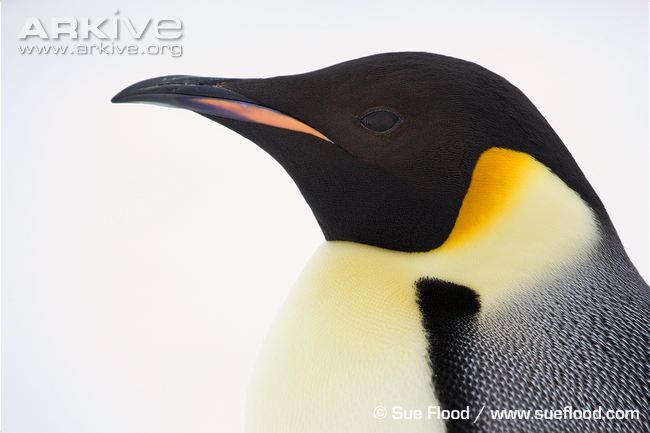
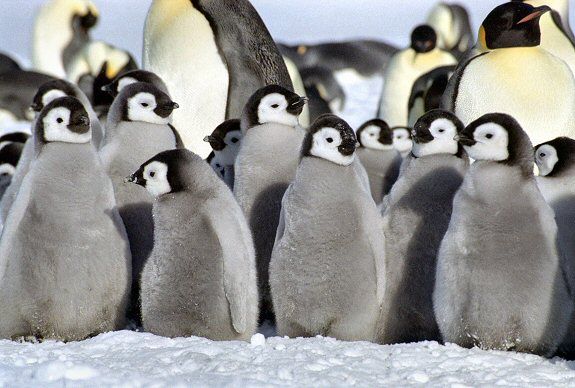
While the stylized cartoon penguin that occupies the logo of most Penguins jerseys is rather generic, there was one jersey that saw the Penguins narrow the focus onto one species of penguin that would be representative of the team. The emperor penguin, with its identifiable yellow feathers, would be the penguin represented in that old Penguins logo, and that bird will be the species we focus on as we continue our look at animals in NHL logos. There are twenty-two penguin species that exist exclusively in the southern hemispehere, ranging from near the equator as far south as Antarctica. They all belong to the family taxonomy Spheniscidae which contains six genuses.

The emperor penguin, Aptenodytes forsteri, is the largest penguin species in the world. The emperor and king penguins are the only living species of Genus Aptenodytes. These two penguin species are also found furthest south, and closely resemble what archaeologists believe larger, extinct penguins would have been. The emperor penguin is found exclusively on Antarctica and the surrounding islands. Emperor penguins weigh in between 40 to 100 pounds and stand at around 45 inches tall, and their total population is estimated to be close to 300,000 individuals.

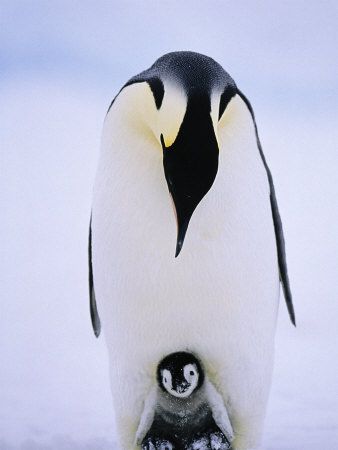
One of the key features of Aptenodytes forsteri is their reproduction. The male and female are serially monogamous from year to year, but fidelity rate drops to approximately 15% when looking at year-after-year mates. A clutch of one egg is the standard as emperor penguins nestle the egg beneath their fat on top of their feet for warmth. Nests of stones are not made, making them different from other penguins in this respect as well. Sexual maturity occurs around the bird's fourth year, and the penguins may find new mates year after year depending on circumstances.

Emperor penguins also have an extremely complicated reproductive process. Mating season occurs between September and November with eggs being laid in March or April during the winter, and mating season is triggered by the shorter winter days. This has been reproduced in zoo settings to aid in the mating ritual. Both sexes care for the egg which weighs approximately one pound. Up to 20% of that weight is the weight of the shell as the egg needs to stay protected in the harsh Antarctic environment. After laying the egg, the mother is normally depleted of fat reserves, so a transfer from her feet to the male's feet occurs. This can be difficult, and, if the egg hits the ice, there's a good chance that the chick inside will be lost due to the frigid environment. If the transfer is successful, the male will use his body heat to keep the egg warm for over two months until the chick hatches. During this time, the female has been off feeding, replenishing the lost weight and fat reserves it needs. She returns around the hatching time to take over the feeding of the chick. If the egg hatches before she returns, the male will feed it through regurgitated protein and fats produced by a gland in his esophagus. With the female taking over the feeding process, the male leaves for up to one month to replenish himself. Once he returns, they alternate within days of one another, feeding and caring for the chick.

Once old enough, chicks leave the protective cover of their parents and form their own group called a crèche where they huddle together for warmth as they learn how to live in Antarctica's harsh climate. In early November, the molting process starts, and the entire crèche heads towards the sea where they will feed at sea.

Penguins have some impressive speed through the water despite their rotund shape. Emperor penguins reach speeds up to 10 mph or 15 kmh in the water. They streamline their shape by hunching their heads into their shoulders. Their feet are pulled in tight against their bodies to aid in steering while "flying" through the water. Penguins have much denser breast and wing muscles to aid in their propulsion as they paddle with their modified wings. Penguins also have solid, dense bones to help them be less bouyant than their avian counterparts, allowing them to dive with ease. While some penguins "porpoise" - jumping out of the water before submerging again - to aid in moving through the water while breathing, emperor penguins prefer underwater travel, surfacing only to breathe. Genus Aptenodytes seems to be the only penguin genus not to "porpoise", and this is believed to be due to their size and weight. They will, however, use floating ice floes to rest on while hunting for fish in the ocean. Penguins alos have glands under the eyes that help rid the body of excess salt. Penguins must drink water to survive, and take in sea water as their main supply of water. The gland under the eye helps to secrete this massive amount of salt taken in by the penguin. This secretion often collects as droplets on the bill and are shaken off.

Most dives of the emperor penguin last between two to eight minutes, and rarely do they go to great depths as their prey frequent the warmer waters near the surface. The maximum recorded depth for a emperor penguin dive was 535 meters or 1755 feet! To aid in their time below the surface of the water, penguins hyperventilate at the surface before inhaling and diving. Heart rates slow while diving as the penguins conserve oxygen, and some penguins exhibit reduced peripheral blood flow to maintain a steady core temperature. The heart rate of a emperor penguin in a dive is about 60bpm, much lower than its resting heart rate of about 72 bpm.

Their exterior feathers overlap to create a nearly windproof and waterproof exterior layer that covers the warm downy feathers below. Their darker feathers help to warm the penguins in the sunlight, and preeening rearranges their feathers to help trap an insulating layer of air under their feathers. They also have a solid layer of fat to help insulate them when in the cold water, and movement while in the water warms muscles and keep the penguins warm as well. Emperor penguins have a unique heat exchange system in their nasal passages which helps them recapture heat from their exhaled breath as well! On land, emperor penguins lean backwards on their heels and tail, raising their toes off the cold ground to prevent frostbite and/or freezing. In short, the penguins of the Genus Aptenodytes are well-suited for a cold, icy environment through many adaptations.

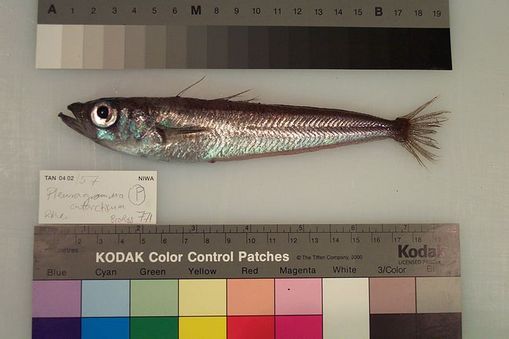
The diet of the emperor penguin includes fish, medium-sized squid, krill, and crustaceans. Antarctic silverfish make up the majority of the emperor penguin's diet. Currently, the food chain for the emperor penguin is not at threat by fishermen, so there is no reason to believe that the population of the king penguin will decrease in the coming decades.

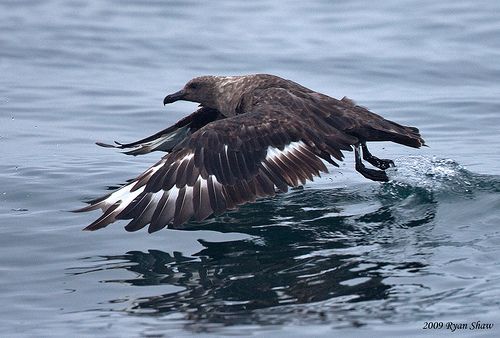
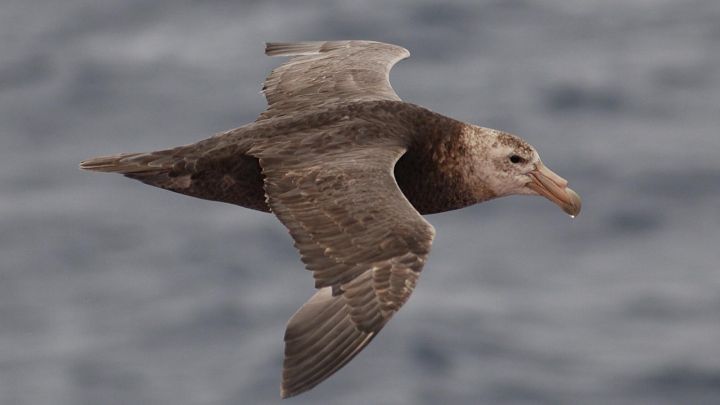
There are several species that prey upon king penguins depending on where they are in their life cycles. Skua, a marine bird, will take unguarded eggs and young chicks when given the opportunity. The southern giant petrel, another marine bird, will scavenge off dead penguins, but are responsible for about one-third oo penguin chick deaths in some colonies. Leopard seals hunt penguins, and orcas have also been sighted feeding on penguins. Leopard seals commonly attack in the water where the seals are generally much faster that the penguins. Man has yet to pose a threat to the emperor penguin in terms of killing birds thanks to the harsh environment where the penguins live and breed. Thus far, man has had little impact, but the penguins will defend their colonies if a tourist mistakenly wanders into a colony.

At this time, there is no threat to the emperor penguin in terms of being watched by CITES. Their numbers are decreasing thanks to the ice floes melting as a result of global woarming, but their numbers are still strong enough that scientists are observing them only.

There is an overview into the world of the emperor penguin, the animal on which the Pittsburgh Penguins based their logo. Clearly, they are a fascinating animal in terms of their biological make-up, and have adapted to their harsh environment very well. Tomorrow, we'll break as The Hockey Show preview will be posted, but we'll be back on Friday with the Phoenix Coyotes!

Until then keep your sticks on the ice!

Tuesday, 6 August 2013

NHL Animal Week - Boston

The NHL has a few teams with logos that feature animals, so it became apparent that with Shark Week on Discovery Channel that I should feature an NHL Animal Week where some real biology can be discussed! There are seven teams that distinctively could be featured, and the San Jose Sharks and Florida Panthers have been featured on the previous two days. Today, we focus on an omnivore that is routinely seen as one of the most feared as we look at Boston's animal in the bruin on HBIC's NHL Animal Week!

Tuesday - Boston Bruins

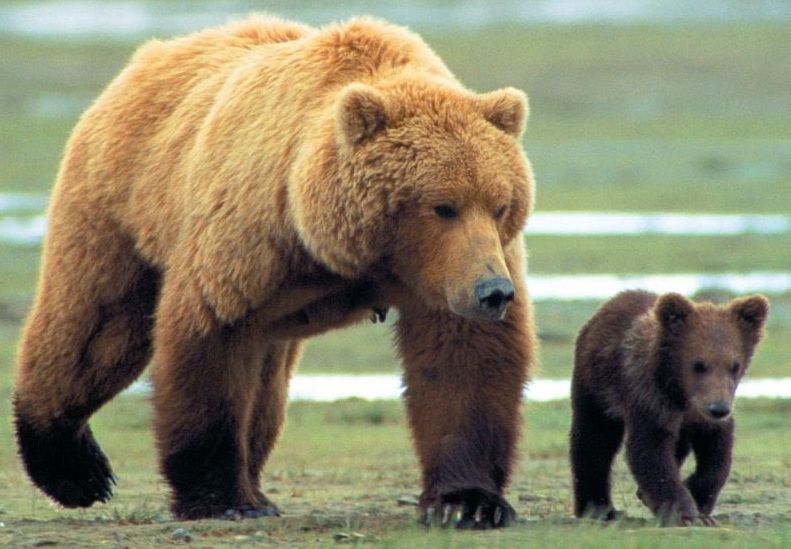
Now, many people will say that the Boston Bruins feature a black bear due to their color scheme. The problem with that thought is that the Boston Bruins used to wear brown and yellow, and a bruin refers to a non-specific species of brown bear! The brown bear ranges across North America and Eurasia with a variety of subspecies, making it the most widely-distributed bear on the planet, but we'll focus on North America's most popular brown bear in the grizzly bear or Ursus arctos. The name "grizzly bear" comes from the word "grizzled", meaning golden- or gray-tipped hair. The grizzly bear once ranged from Alaska through to Mexico and as far east as Ontario and Ohio, but their numbers plummeted greatly during the fur trade and human settlement of the prairies. The current range of the grizzly has been reduced to Alaska into Canada through British Columbia and Alberta and into the northern US states. It is estimated that there are approximately 60,000 grizzly bears in the wild today with Alaska having half of that population alone.

Grizzly bear reproduction is slow compared to other animals. Sexual maturity for the grizzly bear doesn't occur until the fifth year, and mothers with cubs will not mate again until her young are sent out on their own. This process to prepare the cubs for life normally takes approximately two years. Gestation periods range between 180 days to 250 days, eliminating yet another year in the reproductive cycle if a female is pregnant As you can see, the reproductive cycle for grizzly bears isn't optimized for populating quickly. Two cubs are normal for a litter, and three cubs are seen on occasion.

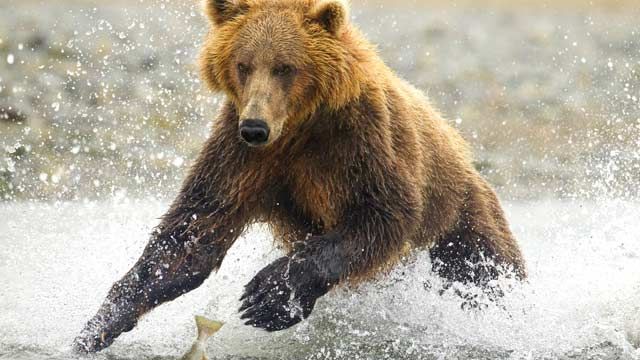
Unlike polar bears which have a mostly-carnivorous diet, grizzly bears rely on a combination of meat and vegetation in their diets. Some have estimated that more than 50% of a bear's summer diet consists of plant material such as berries, nuts, leaves, and roots. Of course, grizzly bears have been filmed while attempting to feed on one of their favorite food in salmon. While salmon makes up a large portion of their carnivorous diet, they also hunt moose, deer, sheep, elk, bison, and caribou. They will, if available, feed off large amount of insects or rodents, scavenge if necessary, and will challenge other animals over kills. Most notably, stories of grizzly bears and wolverines in epic battles are told, but grizzly bears normally attempt to steal a kill made by wolves. While the showdown between wolves and bears rarely results in major injuries to either party, the bears usually end up getting their fill of a kill before moving on.

Despite their large size, hunting is accomplished with some impressive weaponry and talent of which most are not aware. Everyone knows about their teeth and claws, but their speed is rather impressive. Grizzly bears have been clocked at 30mph or 50kph when chasing prey! This speed is deceptive, and aids the bear in chasing down slower deer or bison when hunting.

The grizzly bear is truly an apex predator, having no natural predators above them on the food chain. Encounters with man, however, have caused the grizzly bear's numbers to decline and their range to decrease. Conflicts arise for a number of reasons, but the top reason is fairly evident in the list of fatal bear attacks: a mother protecting its young. Female bears have reportedly fought off larger male bears in protecting her young, giving credence to the adage of not coming between a bear and its young. In short, man should be wary of grizzly bears at all times in the wild as they possess great speed, sharp claws, and sharp teeth.

The grizzly bear is listed as a threatened species in North America as the bears continue to see their numbers fluctuate. While the bears are protected in national parks from hunting, grizzly bears are finding themselves at a greater risks of being hit by trains that cut through Glacier National Park in Montana and Banff National Park in Alberta as the bears forage for grain that has leaked from grain cars. Conservation efforts are underway on both sides of the border to try to help the grizzly bear increase its populations through designated bear sanctuaries and protected lands.

There's your look at the bruins that roam North America. While the Boston Bruins have certainly seen their share of successful turnarounds in the recent years after a few low points through the early 2000s, there's hope that the North America bruins can see their own successful return to prominence! Tomorrow, we move to the southern hemisphere as we take a look at the Pittsburgh Penguins!

Until next time, keep your sticks on the ice!